

Laser Dentistry in Wheaton, IL:
A Patient Guide
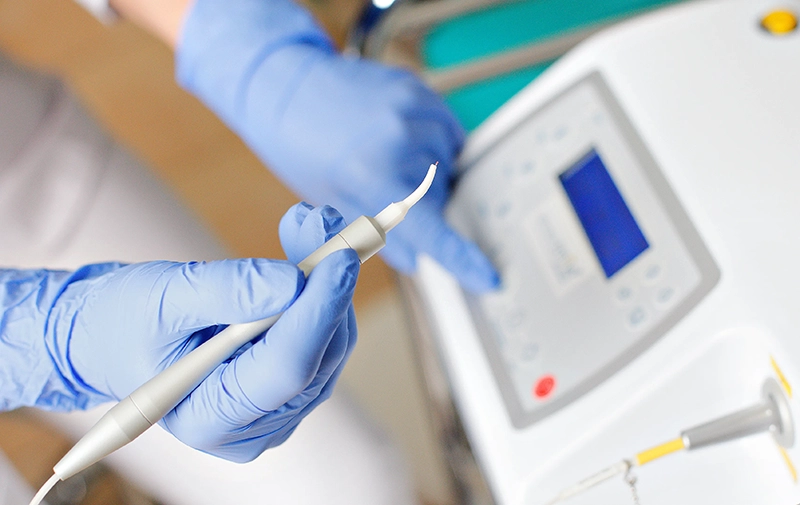
Laser dentistry in Wheaton, Illinois, offers a precise, comfortable way to treat many common dental concerns. Patients can expect gentle techniques that reduce noise, heat, and vibration compared to traditional tools. If you have questions, our team with Dr. Rebecca Hausten or Dr. Rachael Cole is here to help.
Laser Dentistry Explained
Dental lasers focus a concentrated beam of light to remove or reshape tissue with high accuracy. Different wavelengths target soft tissue, such as gums, and hard tissue, such as enamel and dentin. In practice, lasers can assist with periodontal therapy, gum contouring, cold sore treatment, biopsy procedures, and cavity detection.
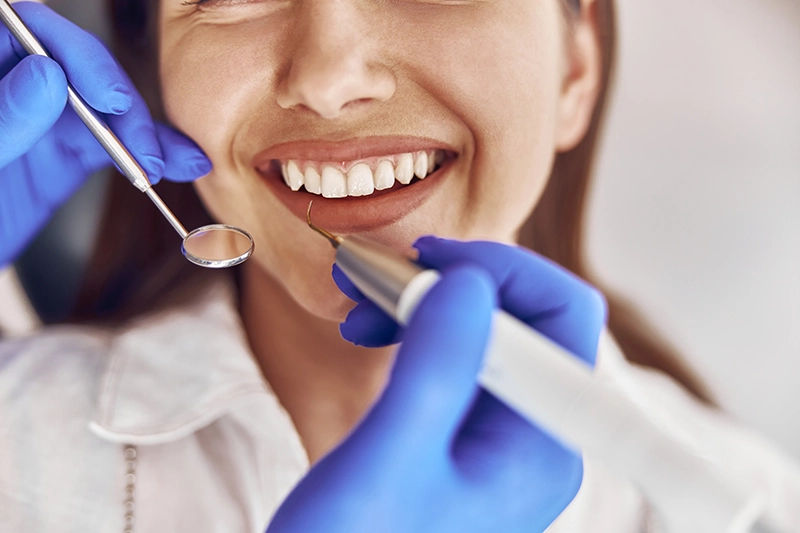
Advantages of Laser Dentistry Treatment
Less Bleeding
Less bleeding and swelling for many soft tissue procedures.
Less Anesthesia
Reduced need for anesthesia in select treatments.
Greater Precision
Greater precision that preserves more healthy tooth structure.
Faster Healing
Faster healing and fewer sutures for many gum procedures.
Quieter Care
Quieter appointments with minimal vibration and heat.
Cleaner Results
Lower bacterial counts in treated areas to support healing.
The Laser Dentistry Process
Your visit begins with a thorough exam, digital imaging when needed, and a clear diagnosis. Our dentist will review whether lasers are appropriate for your case and explain alternatives. If lasers are a good match, you will receive protective eyewear. Many procedures need little or no anesthesia, though numbing is available when beneficial.
The laser is then used to contour tissue, remove decay, disinfect an area, or complete another planned step. Treatment times vary based on the size and type of procedure. Before you leave, you will receive specific aftercare instructions and a follow-up plan if one is needed.
What to Expect Before and After Treatment
Most patients feel light warmth or a tapping sensation during treatment. Soft tissue procedures may produce a mild taste or smell, which is normal. Discomfort is typically minimal, and healing is often faster than with traditional methods.
Aftercare depends on the procedure. Gum therapy patients may be advised to eat soft foods for a day or two and rinse gently. Cavity treatment usually requires no special aftercare beyond the filling instructions. Follow-up visits are scheduled as needed to confirm healing and results.